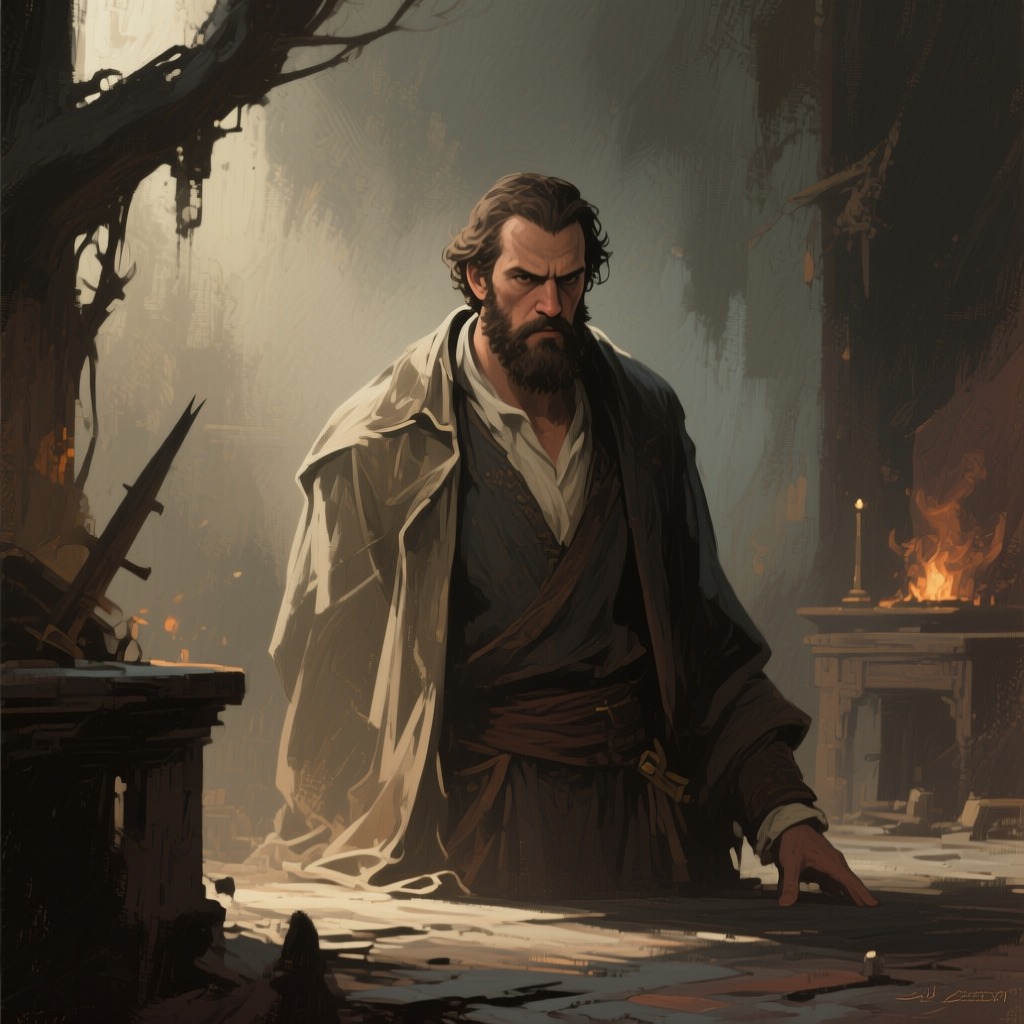
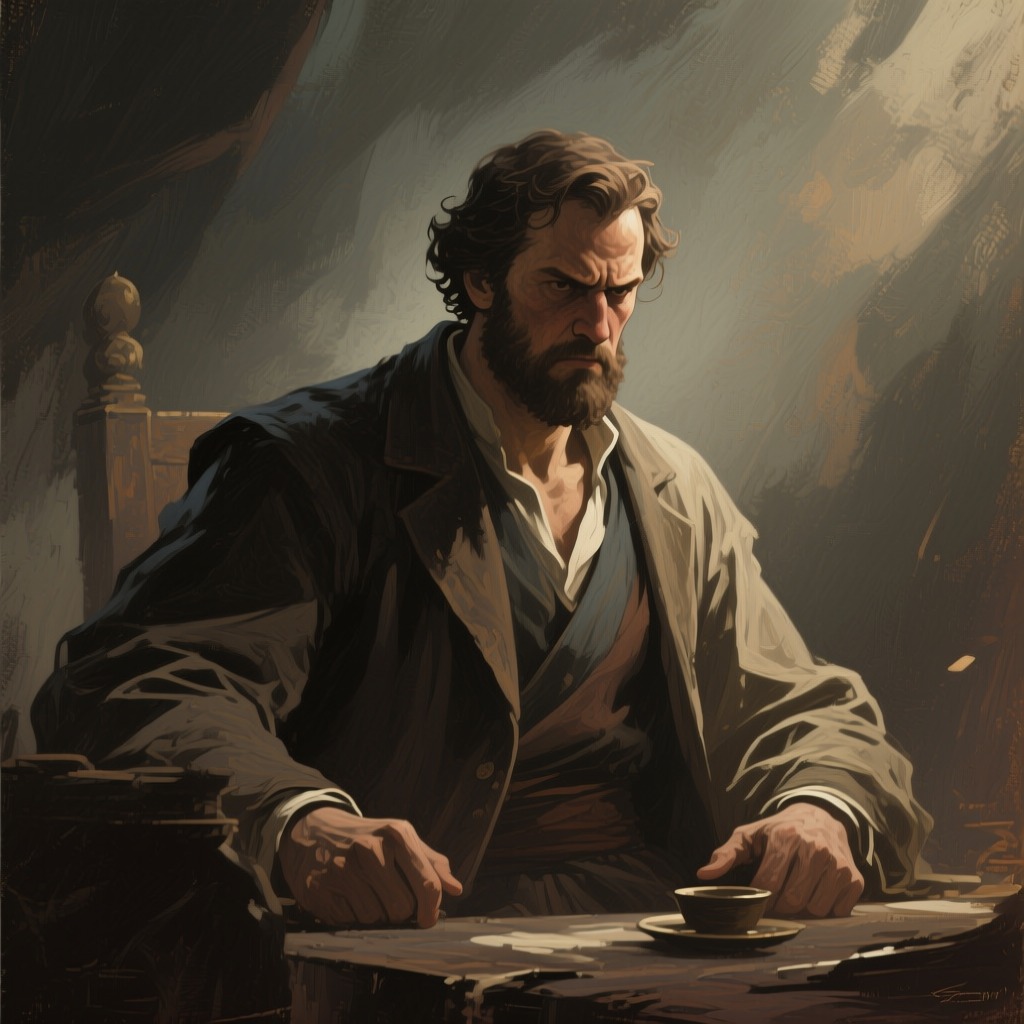
The Concubine Cut into Twelve Pieces
The Concubine Cut into Twelve Pieces is a biblical story from the Book of Judges (chapters 19–21) that is deliberately deployed by the Aunts in Gilead as a tool of ideological control, and its graphic violence and the Aunts' systematic distortion of its meaning become a pivotal moment of disillusionment for Agnes Jemima, contributing to her eventual break with Gilead's official theology.
Biblical Source and Gilead's Use as a Cautionary Tale
The story is first introduced to the girls at the Vidala School by Aunt Vidala, who presents it as "one of the most important stories in the Bible—important because it was a message from God especially for girls and women" . In her telling, a man's concubine—described as "a sort of Handmaid"—runs away from her owner back to her father's house, an act of disobedience. The man retrieves her, and on their journey home they take refuge in a town where a generous citizen offers them lodging. However, other citizens, "filled with sinful urges," demand the male traveler be handed over to them for "lustful and sinful things." To protect the man, the host and the traveler put the concubine outside the door instead. Aunt Vidala justifies this: "Well, she deserved it, don't you think? She shouldn't have run away. Think of all the suffering she caused to other people!" . When the man opens the door in the morning, the concubine is dead, killed by the mob. Aunt Vidala's moral is explicit: "This story is God's way of telling us that we should be content with our lot and not rebel against it" . The man in charge should be honored by the woman; if not, this is the result. God always makes the punishment fit the crime.
The Disturbing Effect on Becka and Agnes
The story has a profound and immediate impact on the young Becka. She asks, "How did they kill her?" and begins to cry, squeezing Agnes's hand hard . She declares, "That is horrible, that is horrible!" . Aunt Estée is called in to calm the class and offers a revisionist interpretation: the concubine was sorry for her disobedience and "sacrificed herself to keep the kind traveller from being killed by those wicked men" . This, she claims, was "brave and noble." Becka, however, is not consoled. She murmurs, "I will never, ever get married" . The story becomes a touchstone for Becka's deep-seated horror of male sexuality and marriage, a horror rooted in her own abuse by her father, Dr. Grove. Agnes later recalls that Becka was "so upset" by the story , and it remains a reference point for her trauma.
Agnes's Later Discovery of the Full Text and Its Consequences
Years later, as a Supplicant at Ardua Hall, Agnes is finally granted access to the full Bible. Becka warns her: "It doesn't say what they say it says" . She directs Agnes to "Judges 19 to 21" . When Agnes reads the complete account, she experiences a painful shock. She finds no trace of the "brave and noble" sacrifice or the "choice" that Aunt Estée had described. Instead, the girl is simply shoved out the door, raped to death, and then "cut up like a cow by a man who'd treated her like a purchased animal when she'd been alive" . She realizes that "kind, helpful Aunt Estée had lied to us" . This discovery triggers a profound crisis of faith. Agnes fears she might lose her faith entirely, feeling as if "your best friend is dying; that everything that defined you is being burned away" . The world empties of meaning. Becka later tells her that "God isn't what they say" and that "you could believe in Gilead or you could believe in God, but not both" . The story of the Concubine Cut into Twelve Pieces thus functions as a key that unlocks the systematic deception at the heart of Gilead's theology, directly contributing to Agnes's moral and spiritual awakening and her eventual decision to help undermine the regime.